
Effective Ways to Lower Blood Sugar Levels Naturally
- skaleechurn25
- Jul 2, 2025
- 5 min read
Maintaining healthy blood sugar levels is crucial for overall well-being. For many, managing blood sugar can feel like a daunting task. However, there are effective and natural ways to help keep those levels in check. In this post, we will explore various strategies that can help you lower blood sugar levels naturally.
Understanding Blood Sugar Levels
Blood sugar, or glucose, is the main sugar found in your blood. It comes from the food you eat and is your body's primary source of energy. However, when blood sugar levels are too high, it can lead to serious health issues, including diabetes.
Understanding how your body regulates blood sugar is essential. Insulin, a hormone produced by the pancreas, helps cells absorb glucose. When your body does not produce enough insulin or cannot use it effectively, blood sugar levels can rise.
The Importance of Diet
One of the most effective ways to manage blood sugar levels is through diet. What you eat plays a significant role in how your body processes glucose. Here are some dietary tips to consider:
Choose Low Glycemic Index Foods
Foods with a low glycemic index (GI) are digested slowly, leading to a gradual rise in blood sugar. Some examples include:
Whole grains like quinoa and barley
Non-starchy vegetables such as broccoli and spinach
Legumes like lentils and chickpeas
Incorporating these foods into your meals can help stabilize blood sugar levels.
Increase Fiber Intake
Fiber is essential for digestive health and can help regulate blood sugar levels. Foods high in fiber include:
Fruits like apples and berries
Vegetables such as carrots and Brussels sprouts
Whole grains like oats and brown rice
Aim for at least 25 grams of fiber per day. This can help slow down the absorption of sugar into your bloodstream.
Limit Processed Foods and Sugars
Processed foods often contain added sugars and unhealthy fats, which can spike blood sugar levels. Try to limit:
Sugary snacks and desserts
White bread and pasta
Sugary beverages like soda and energy drinks
Instead, opt for whole, unprocessed foods that provide essential nutrients without the added sugars.
Regular Physical Activity
Exercise is another powerful tool for managing blood sugar levels. Physical activity helps your body use insulin more effectively. Here are some ways to incorporate exercise into your routine:
Aim for Consistent Workouts
Aim for at least 150 minutes of moderate aerobic activity each week. This can include:
Walking briskly
Cycling
Swimming
Find activities you enjoy to make it easier to stick with your routine.
Include Strength Training
In addition to aerobic exercise, strength training can also help lower blood sugar levels. Building muscle increases your body's insulin sensitivity. Consider:
Lifting weights
Doing bodyweight exercises like push-ups and squats
Using resistance bands
Aim for strength training at least twice a week.
Stay Hydrated
Drinking enough water is essential for overall health and can help regulate blood sugar levels. Staying hydrated helps your kidneys flush out excess sugar through urine.
Tips for Staying Hydrated
Aim for at least 8 cups of water a day.
Carry a reusable water bottle to remind yourself to drink.
Limit sugary drinks and opt for water, herbal teas, or infused water for flavor.
Manage Stress Levels
Stress can significantly impact blood sugar levels. When you are stressed, your body releases hormones like cortisol, which can raise blood sugar. Here are some strategies to manage stress:
Practice Mindfulness and Relaxation Techniques
Incorporating mindfulness practices can help reduce stress. Consider:
Meditation
Deep breathing exercises
Yoga
Even a few minutes a day can make a difference in how you feel.
Get Enough Sleep
Lack of sleep can also affect blood sugar levels. Aim for 7 to 9 hours of quality sleep each night. Establish a bedtime routine to help improve your sleep quality.
Monitor Your Blood Sugar Levels
Keeping track of your blood sugar levels can help you understand how your body responds to different foods and activities. Consider:
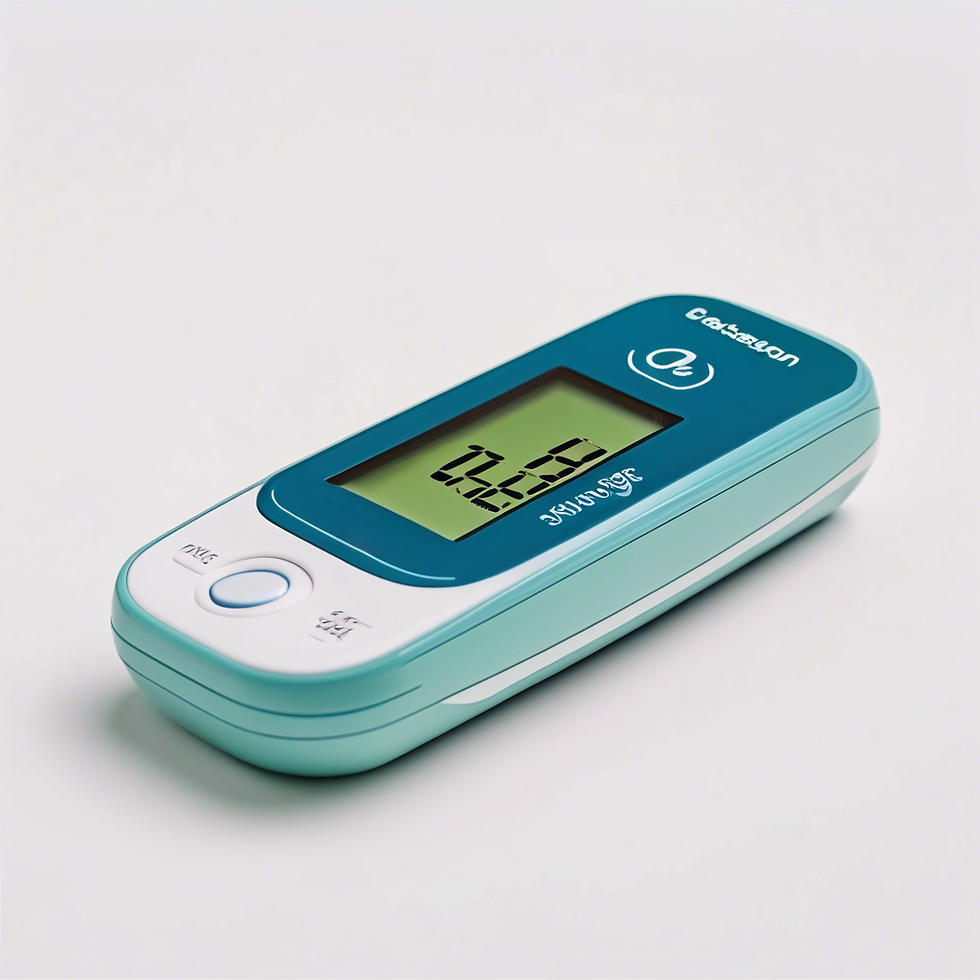
Using a blood glucose monitor to check your levels regularly.
Keeping a food diary to track what you eat and how it affects your blood sugar.
This information can help you make informed decisions about your diet and lifestyle.
Consider Natural Supplements
Some natural supplements may help lower blood sugar levels. However, always consult with a healthcare professional before starting any new supplement. Some options to consider include:
Cinnamon
Cinnamon has been shown to improve insulin sensitivity and lower blood sugar levels. You can add it to your meals or take it as a supplement.
Berberine
Berberine is a compound found in several plants. It has been shown to help regulate glucose and lipid metabolism.
Alpha-Lipoic Acid
This antioxidant may help improve insulin sensitivity and reduce symptoms of neuropathy in people with diabetes.
The Role of Regular Check-Ups
Regular check-ups with your healthcare provider are essential for managing blood sugar levels. They can help monitor your progress and make necessary adjustments to your treatment plan.
Discuss Your Goals
Be open about your health goals with your doctor. They can provide guidance and support to help you achieve them.
Stay Informed
Stay updated on the latest research and recommendations for managing blood sugar levels. Knowledge is power when it comes to your health.
Building a Support System
Having a support system can make a significant difference in managing blood sugar levels. Surround yourself with people who understand your goals and can offer encouragement.
Join a Support Group
Consider joining a local or online support group for individuals managing blood sugar levels. Sharing experiences and tips can be incredibly beneficial.
Involve Family and Friends
Educate your family and friends about your health goals. Their support can help you stay motivated and accountable.
Embracing a Healthier Lifestyle
Lowering blood sugar levels naturally is a journey that requires commitment and lifestyle changes. By focusing on diet, exercise, stress management, and regular monitoring, you can take control of your health.
Celebrate Your Progress
Remember to celebrate your achievements, no matter how small. Each step you take towards a healthier lifestyle is a victory.
Stay Positive
Maintaining a positive mindset can help you stay motivated. Focus on the benefits of a healthier lifestyle, such as increased energy and improved well-being.

Incorporating these strategies into your daily routine can help you lower blood sugar levels naturally. With dedication and the right approach, you can achieve your health goals and enjoy a better quality of life.
By making small, sustainable changes, you can create a healthier future for yourself. Remember, you are not alone on this journey. With the right tools and support, you can successfully manage your blood sugar levels and live a vibrant life.


Comments